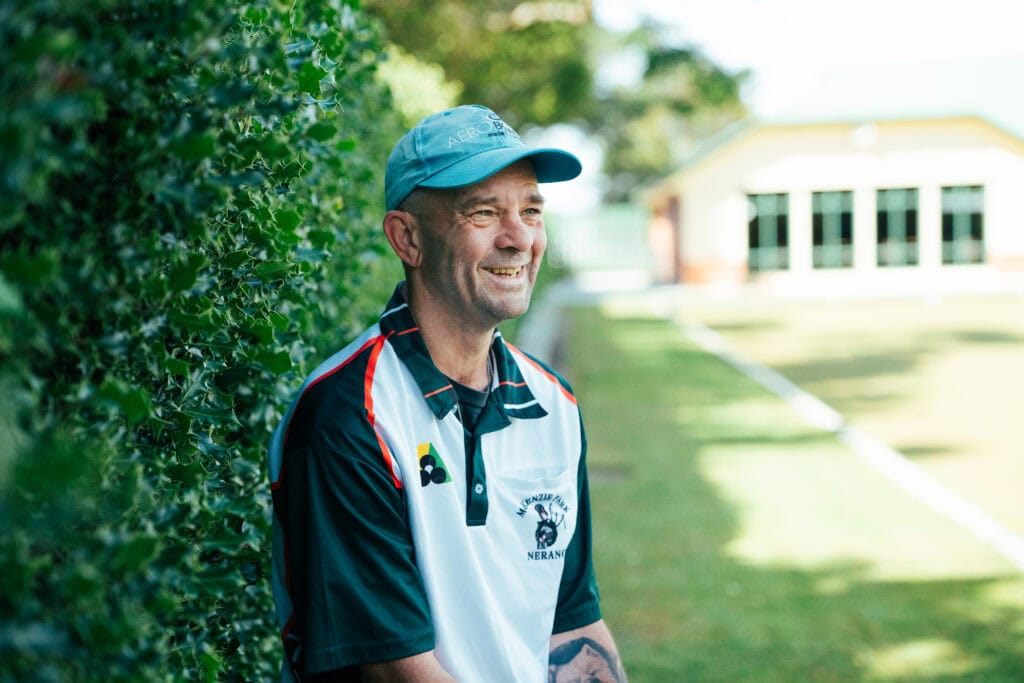
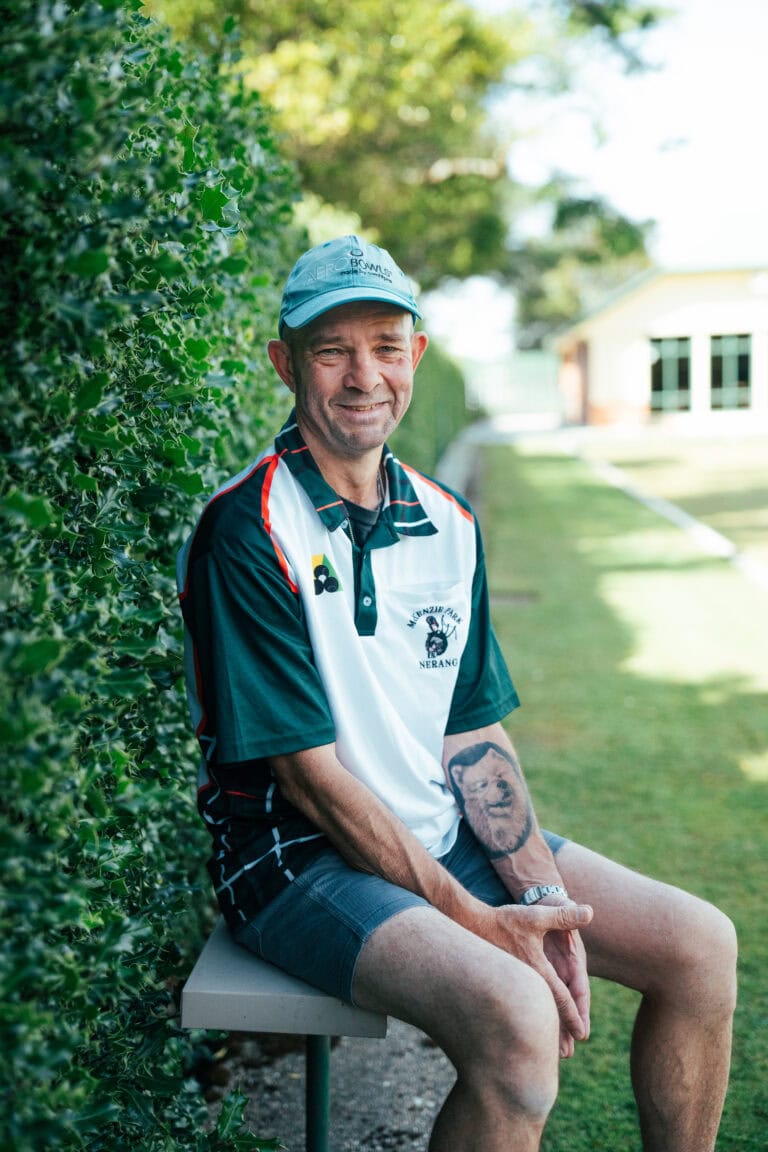
Paul Calvert’s journey to becoming smokefree is a story of reflection and reclaiming control. After more than three decades of smoking, a moment of clarity about the true cost sparked change. With support from the Southern Stop Smoking Service, and motivated by his whānau and future goals, Paul chose a different path, showing it’s never too late to break free.
I used to think smoking was just part of who I was. For years, I carried around that little box in my pocket and a lighter I hoped would spark the next one. It felt normal, routine, even. But looking back now, I see it differently. Smokefree isn’t just quitting cigarettes. It’s freedom.
I grew up in Murihiku, and my connection with smoking started young, probably around eight or nine. I didn’t buy my first pack until I was 18, when I started working and could finally afford it. That’s when it became a full-time habit. One cigarette turned into 20, sometimes 25 a day. Days turned into years, and before I knew it, I’d been smoking for over three decades.
The turning point came when I sat down and did the maths. When I first started, a pack of 20 cost about $5. Back in 1992, I bought my first house for $69,000. These days, a pack of 25 is over $50, and that same house recently sold for $550,000. When I added it all up, 32 years of smoking at 20–25 cigarettes a day, I realised something that stopped me in my tracks:
I had literally smoked the value of a house.
That hit hard. I thought, “I’m doing okay… but I should be doing better.” More than that, I started thinking about my mokopuna. I didn’t want them to see me as a smoker or think it was normal, or worse, something to look up to. I’m the only one in my family who ever smoked, and I didn’t want that legacy to continue. If I could remove smoking from my story, maybe it wouldn’t become part of theirs.
I’ve always had a goal to retire by 65. I felt like I was on track, but just barely. Then I looked closer. I was spending $250 a week on smokes, sometimes closer to $350. That’s serious money. Money that could go into my KiwiSaver, or paying off my mortgage. Suddenly, I saw a different future, one where I could be debt-free by 60, not scraping by at 65.
That’s when I knew: it had to change.
I first heard about the Southern Stop Smoking Service through my GP, who referred me. What made the difference for me was how low-pressure it was. No one telling me, “you must quit right now.” If it had been like that, I probably would’ve pushed back because I’ve been a stubborn bugger most of my life! Instead, it felt supportive, like I was in control of the decision.
I found small tools to help along the way too. Something as simple as a breathing necklace gave me that familiar resistance, the feeling of drawing on a cigarette, without the harm. It helped bridge the gap between habit and change.
And then there’s the freedom. Not just health-wise, but financially. I’ve got more money now to spend on things that actually add to my life, not take away from it. Things I enjoy, things that matter.
Will quitting mean I live 10 or 20 years longer? I don’t know. Time will tell. Maybe I’ve done some damage. But I’ve been told my lungs can recover, that they’ll clear over time. As long as I haven’t hurt anything beyond repair, I’ve got a good shot at a normal life.
What I do know is this: I’m no longer tied to that little box in my pocket. I’m no longer planning my day around the next cigarette. I’m freer, healthier, and more in control of my future.
And that feels pretty damn good.