“We can’t fix the meth crisis in Fiji or stop human trafficking overnight. But we can go. We can love the people. We can bring hope. And that matters.”
-Desmond Olson (NKMP Nurse)
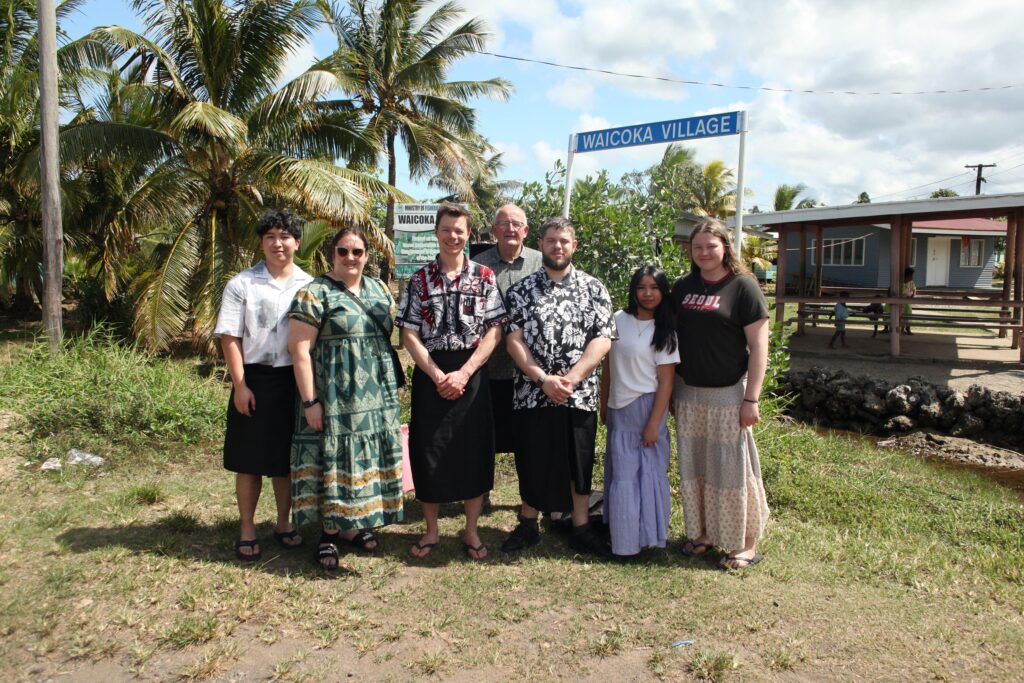
In late September 2025, a team of seven from the Invercargill Christian Centre travelled to Fiji for a week-long mission trip led by missions team leader and Ngā Kete Nurse Desmond Olsen. The group spent their time supporting a local ministry, connecting with villages, and offering practical and spiritual encouragement to communities facing immense social and economic challenges.
Fiji, a nation known for its beauty and hospitality, has in recent years been struggling under the weight of a growing methamphetamine crisis and an associated HIV outbreak. Against that backdrop, the team’s visit was about more than physical work, it was about bringing hope, compassion, and love.
This is Demond’s reflection of the trip:
In late September, I had the privilege of leading a team of seven from the Invercargill Christian Centre to Fiji for a seven-day mission. From September 28 to October 6, our small team (a mix of ages, skills, and stories) set out with a shared purpose: to serve, to love, and to bring a sense of hope to communities who have been facing some really difficult times.
Our mission wasn’t about grand gestures or quick fixes. It was about showing up: Standing alongside people, lending a hand, and reminding others (and ourselves) that even in hard times, there is always hope.
A Nation in Crisis
Fiji is a place that has always had a special place in my heart. Over the past few years, though, the nation has been going through some major challenges. The methamphetamine crisis there has exploded, drugs trafficked through the islands and on to markets in Australia and New Zealand. The government has been making huge drug busts but the impact has already taken root.
Earlier this year, Fiji declared a national HIV outbreak, directly linked to meth use and unsafe injecting practices known locally as “bluetoothing,” where users inject themselves and then share that blood with others. Combined with low literacy levels and limited access to healthcare and education, it’s a heart-breaking and complex situation for such a small island nation.
On top of that, there is another issue in Fiji: Sex trafficking, women and children who are victims or at risk of sexual exploitation and violence.
Having spent years involved in medical missions across the Pacific, I’ve seen first-hand the struggles people face but also their resilience, their laughter, and their generosity. It changes you. It breaks your heart and fills it at the same time. You realise you can’t change everything, but you can change something. You can make a difference for someone. And that’s enough reason to go.
Our Mission: Homes of Hope
For this trip, we partnered with an incredible organisation just outside Suva called Homes of Hope. They’re based deep in the rainforest, a beautiful, green, peaceful space, and they do life-changing work rescuing women and children from sex trafficking. They provide housing, education, mentorship, and a supportive environment where women can heal, rebuild, and re-enter their communities with strength and dignity.
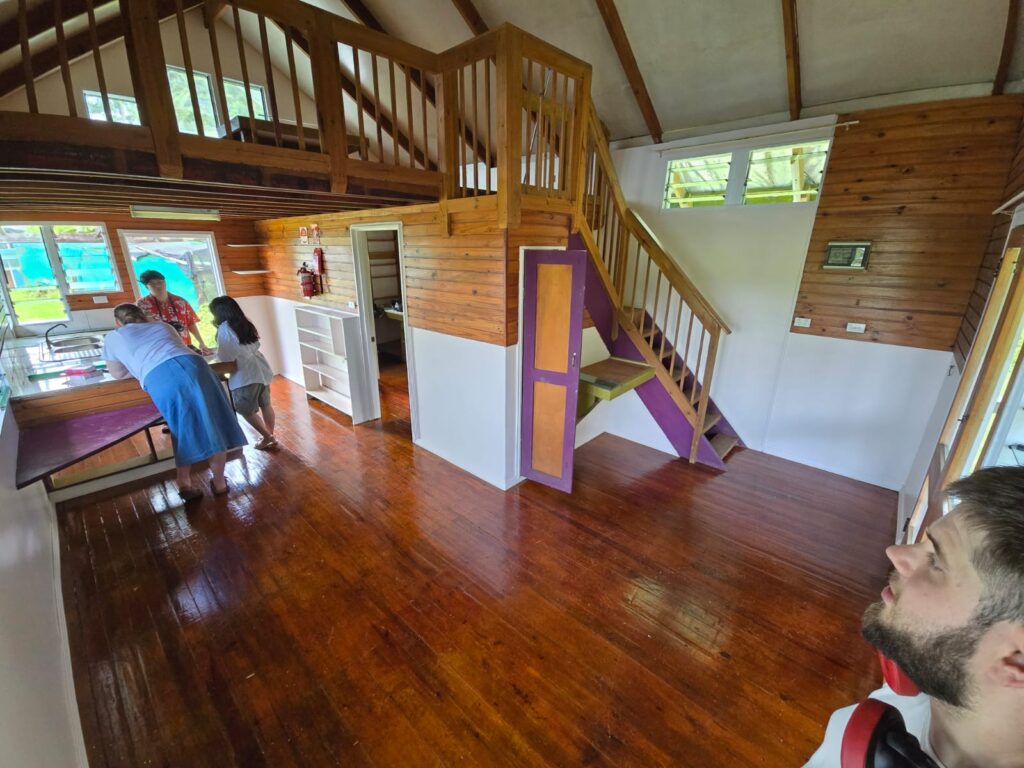
I’d worked with Homes of Hope about ten years ago, so it was really special to reconnect with them. When we arrived, two of their buildings had become so run-down they couldn’t be used. They had rusted window frames, rotten floors, broken fittings, and a failed septic system. So that was our project, to restore and rebuild.
Over five days, we sanded and painted, pulled out old windows, replaced them, sealed floors, repaired plumbing, and coated the floors with polyurethane. It was hard, physical mahi, hot days, heavy lifting, and plenty of sweat, but every moment felt worth it.
At the end of the week, the transformation was incredible. The buildings were liveable again, ready for staff and residents to use. To know that the work we did will help Homes of Hope continue
their mission, that’s the kind of satisfaction that goes deeper than words.
Relationships That Matter
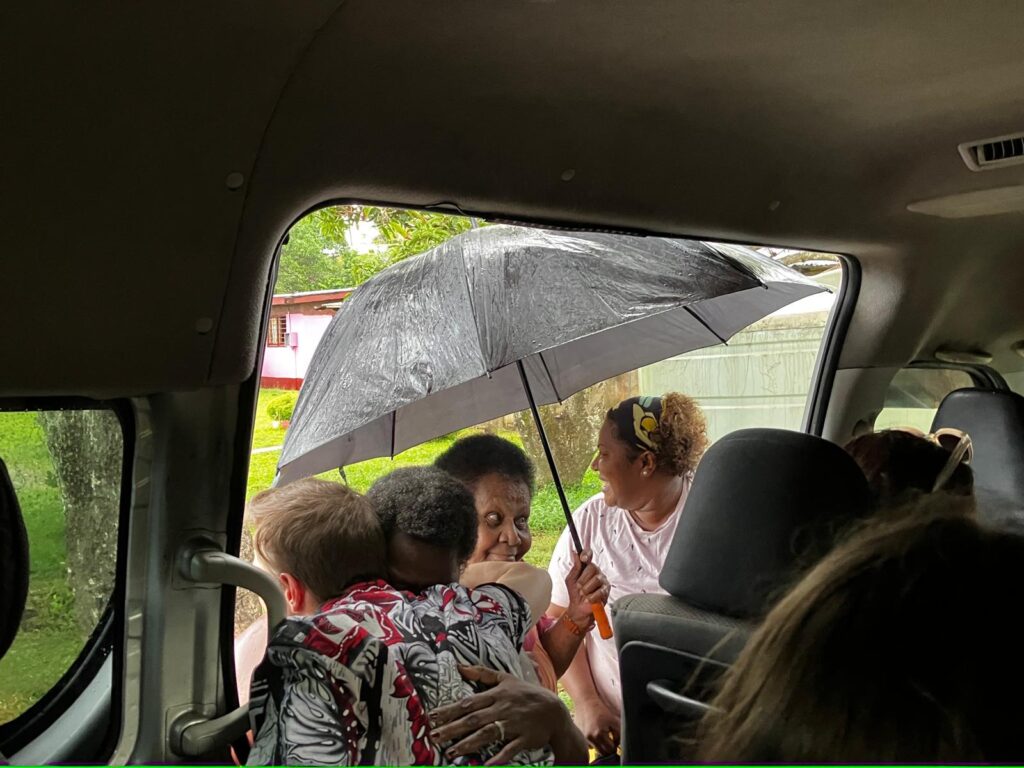
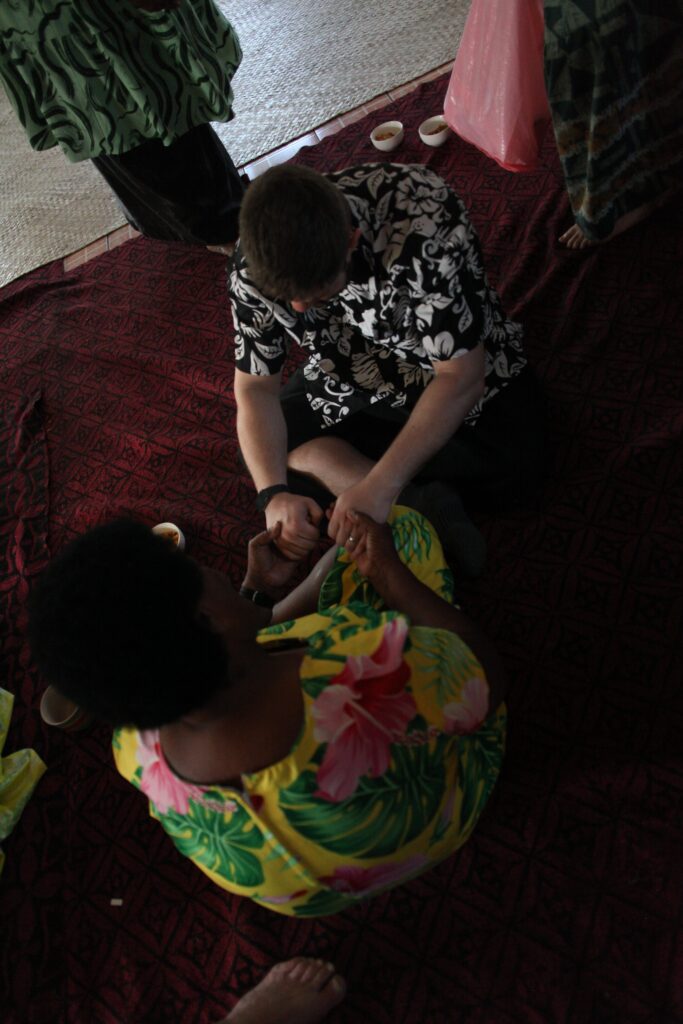
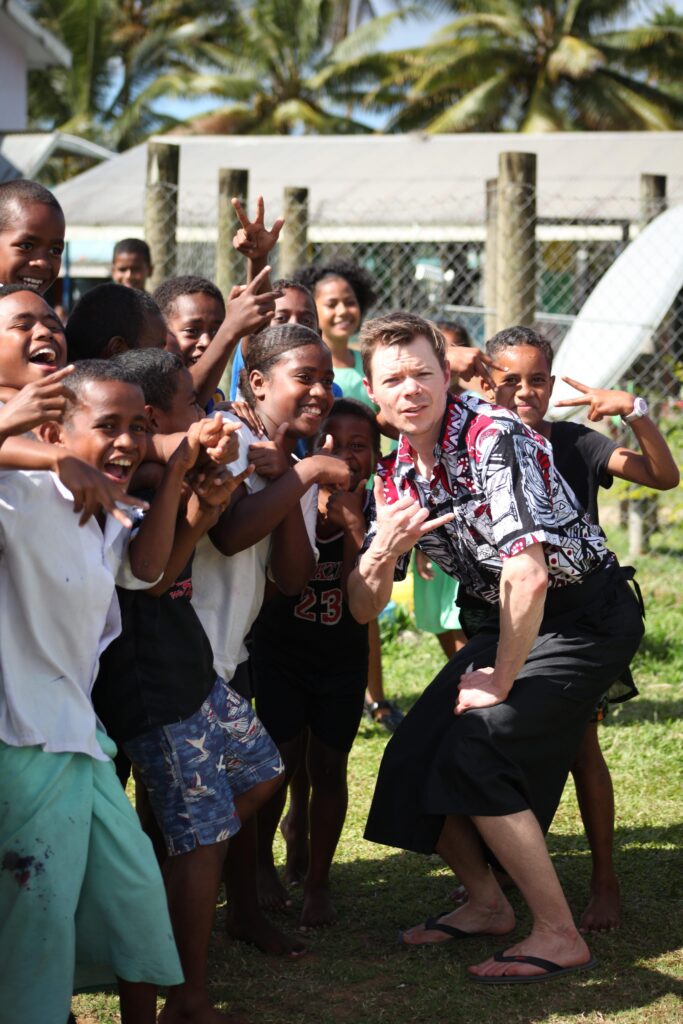
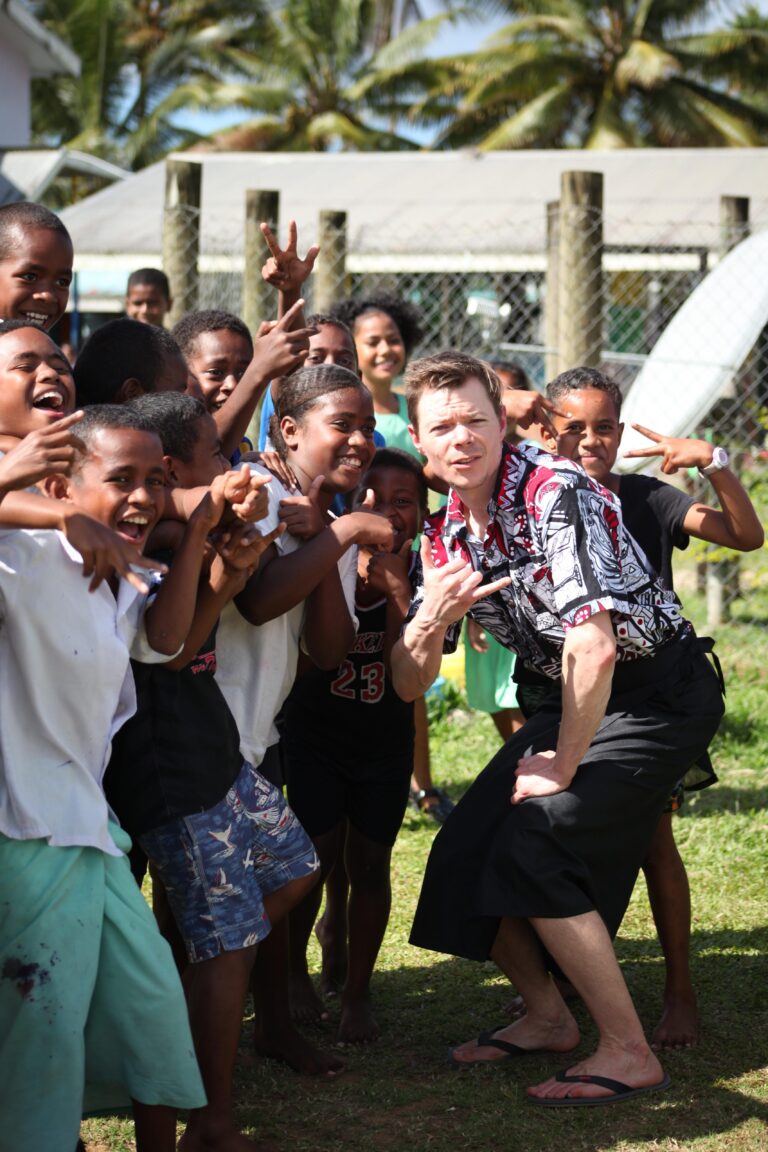
One of the most meaningful parts of our time there was simply being with the people. Between the workdays, we shared meals, played volleyball (they loved it, we even brought an extra volleyball for them to keep), and spent time with some of the women in the programme. They welcomed us so warmly and treated us like family.
I think what touched me most was their joy. Despite everything they’ve been through (trauma, poverty, loss) they still sing. They still laugh. They still hope. And their faith is beautiful.
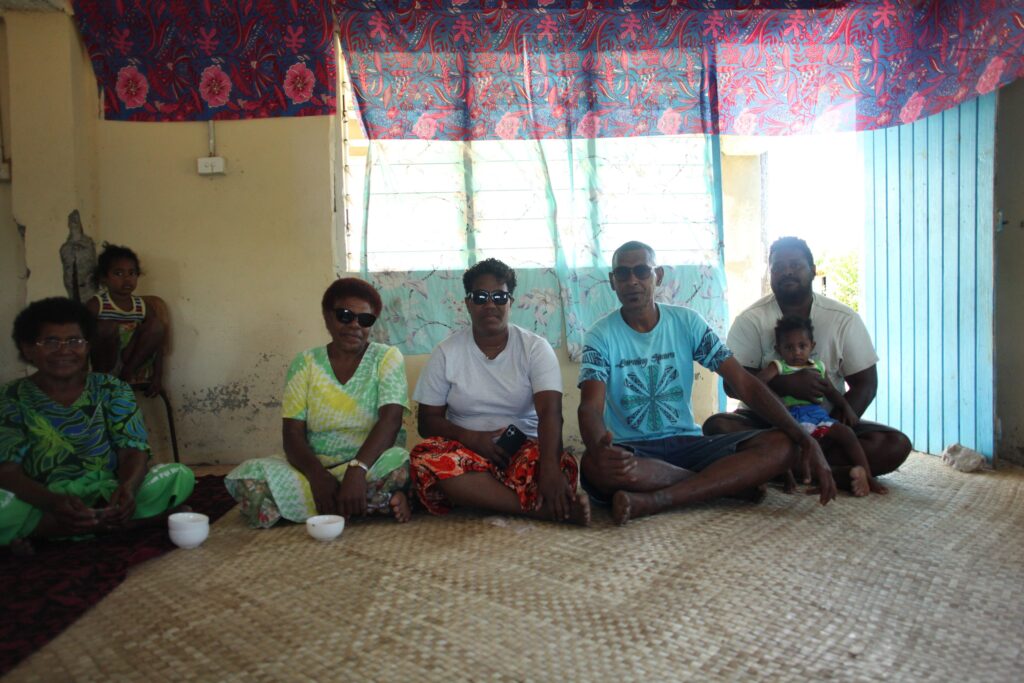
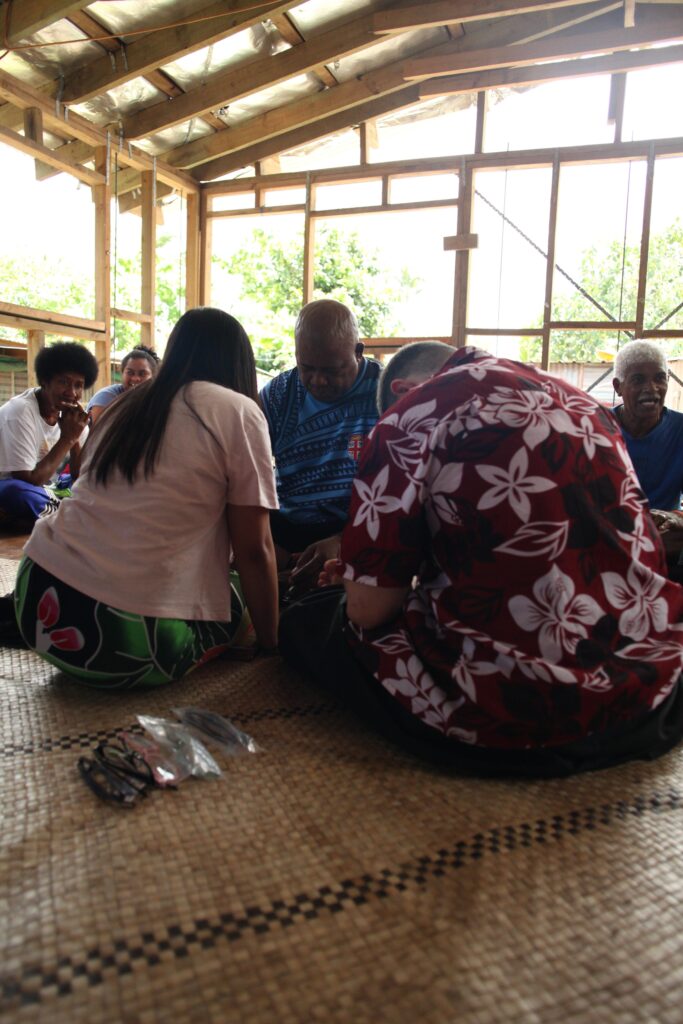
We also brought some gifts, things that might seem small but made a real difference. We distributed toothbrushes, sunglasses, and reading glasses. It was actually quite moving how impactful that simple act became.
Before the trip, I’d spoken to Ngā Kete CEO Tracey Wright-Tawha about the trip and she was so keen to be involved that she paid for all the reading glasses (about 90 pairs) plus the sunglasses. We used a simple self-test system that doesn’t require an optometrist, so we could fit people on the spot. When someone who hasn’t been able to read for years suddenly puts on a pair of glasses and can see clearly, their whole face lights up. Those were holy moments.
Into the Villages
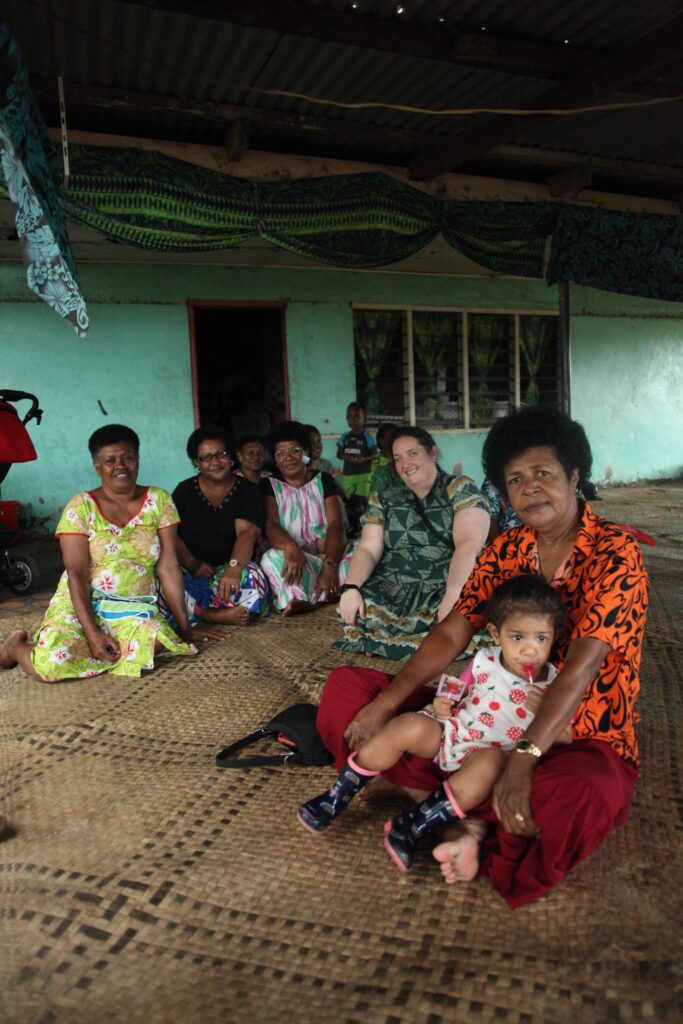
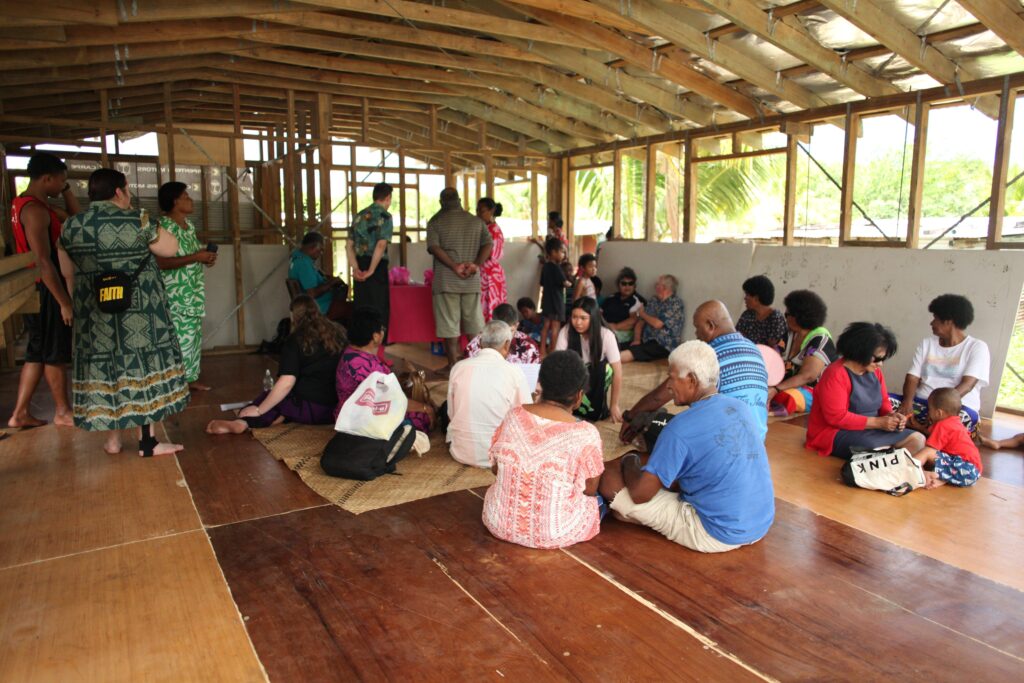
We had planned to visit one village, but when we got there, the opportunities kept opening up and we ended up visiting three. We went to offer practical help and spiritual encouragement, to bless people where they were.
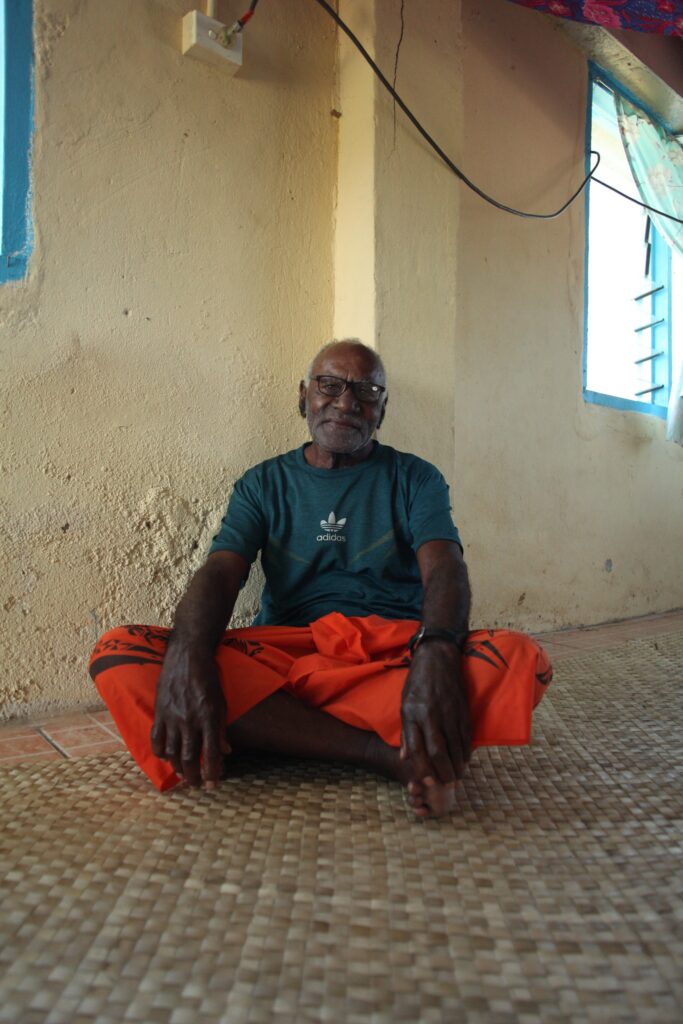
Fijian villages are deeply relational. They’re tight-knit and proud, and they don’t talk about hardship easily. But when someone comes in as a stranger with no agenda, just love, hearts open up quickly.
The social worker from Homes of Hope, who came with us, later told me she had been deeply moved by what she saw. She said there was a moment where she watched me interacting with a villager and the compassion she saw in that exchange changed the way she thinks about her own work. That was humbling.
Acts of Love
Our team was full of amazing people. One of them, a 74-year-old carpenter and lifelong musician, brought both skill and heart to the trip. He worked tirelessly on the renovations, and when he saw how much the people loved music he decided to gift them an electronic keyboard.
But not everything went smoothly. I got sick while we were there with fevers and aches. I think it was probably dengue fever. It knocked me around a bit, but it didn’t take away from the experience. We were in such a beautiful place surrounded by rainforest, wild banana trees, coconuts, monstera plants. It felt like God’s creation was all around us, holding us up.
We ended the trip with a debrief day, time to reflect, rest, and thank God for all we’d seen and learned. The trip reminded me again why I love missions: because they pull you out of your comfort zone and into connection. You see what really matters.
Looking Forward
I’m originally from Hawaii, and I think that’s part of why I have such a heart for the Pacific. I was adopted at 16, and when my adoptive family moved to Colorado, life changed completely. I came to New Zealand when I was 23 to join a medical missions team called Marine Reach. We lived on ships that travelled to Pacific Islands, doing outreach and medical clinics in places like Vanuatu and Southeast Asia. That’s actually where I met my wife, she was a leader in the ministry.
We lived on that ship for a year, facing plenty of challenges but collecting some incredible stories. Eventually, we both decided to train as nurses, and that brought us to Invercargill partly because of the zero fees training. Now, years later, we have two beautiful children (aged two and nine months), and I’m proud to be a New Zealand citizen.
This trip to Fiji was my first time leading a missions team as part of the Invercargill Christian Centre, and it’s only strengthened my resolve to keep going. We can’t fix the meth crisis or stop human trafficking overnight. But we can go. We can love the people. We can bring hope. And that matters.
The work continues because love doesn’t end at borders, and hope doesn’t run out.
Need support with methamphetamine?
Ngā Kete Mātauranga Pounamu offers two free, confidential services to support individuals and whānau affected by methamphetamine use:
Hiwa-i-te-rangi – Counselling and cultural support for those aged 35 and under, offering one-on-one sessions, harm minimisation, and pathways to recovery.
📍 56 Thomson Street, Invercargill | ☎️ (03) 214 5260 or 0800 925 242 | ✉️ admin56@nkmp.nz
Awhina Ora – A mobile support service for anyone impacted by methamphetamine, providing personalised care, advocacy, and connection to the right services.
📍 92 Spey Street, Invercargill | ☎️ (03) 214 5260 or 0800 925 242 | ✉️ admin@nkmp.nz
Our other mental health and addiction services include:
• Mahana Southern Māori Mental Health and Addiction Service - Mahana provides compassionate, culturally grounded support for individuals and whānau experiencing mild to moderate mental health or addiction challenges (alcohol, drugs).
• Manawa Ora - A free community withdrawal nursing service that aims to support safe withdrawal from alcohol and/or other drugs.
• Tūmanako Oranga Wellness Centre - A safe and supportive space offering advocacy and short-term respite care.
• Kā Whetu Ora (Daybase) - A community activity space, offering peer support and a range of wellbeing activities that support us to live mana enhanced lives.
• Southern Needle Exchange Programme - This service is available to everyone: providing free, sterile injecting equipment, safer-use advice, and confidential disposal options for used items.